 Calgary Owned & Operated Since 2010

Tackling Tough Stains: Professional Tips for a Spotless Home
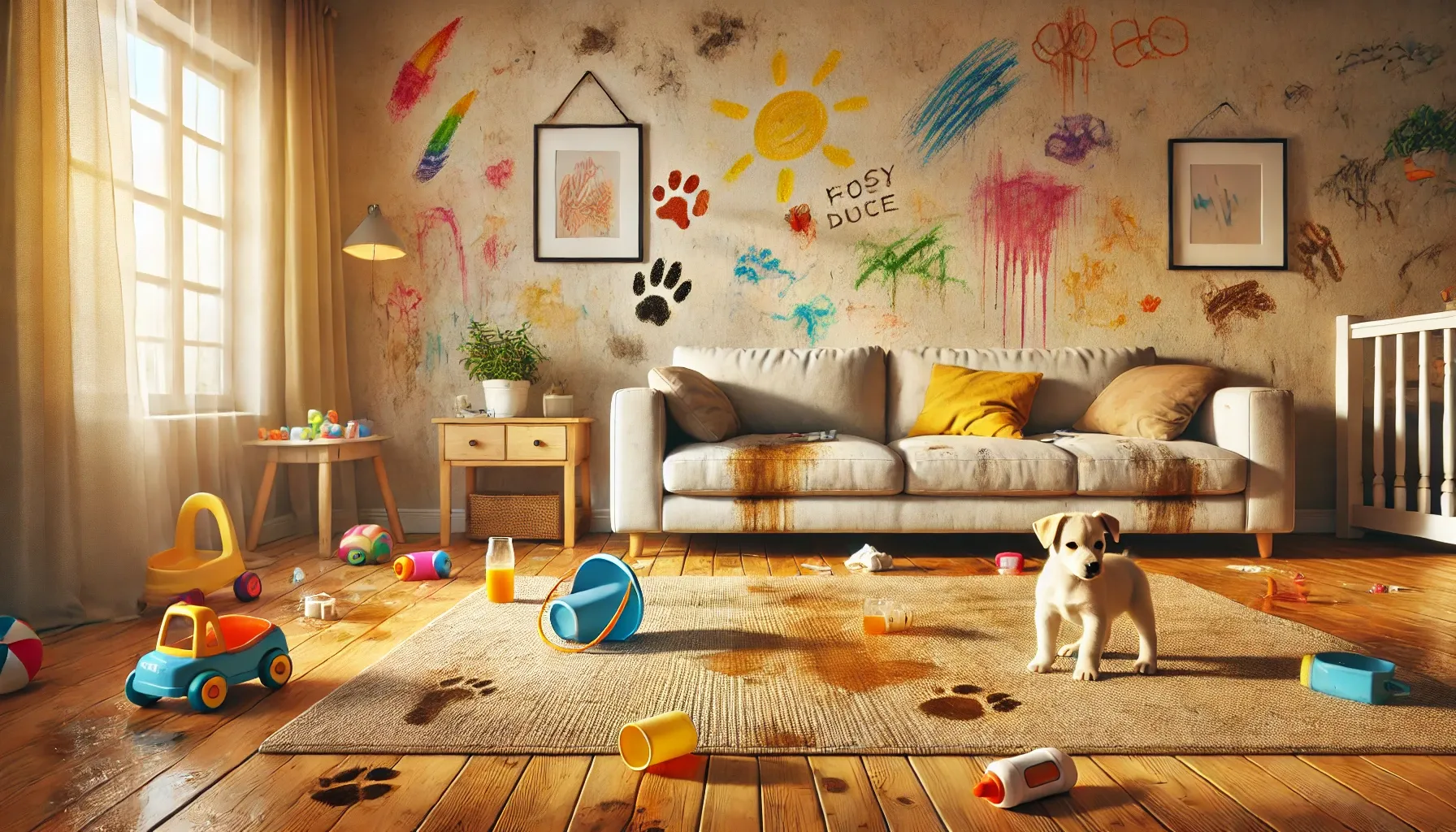
Life is filled with surprises, and unfortunately a number of those surprises are of the stain variety. From the red-wine stains that can result from a dinner party gone awry, to the kid and pet accidents that are sadly inevitable, to the nitty-gritty grime that’s leftover from post-construction cleanups, stains have a tendency of turning a beautiful, elegant and well-kept home into a frustrating mess. Many of us are intimately familiar with the panic that ensues upon the discovery of a stain on our floors, furniture or countertops, as we wonder how to best get rid of it before the stain sets in and becomes permanent.
We know that a tidy house not only looks good but also keeps us healthy and minimises the exposure of you and your loved ones to unhygienic circumstances. For instance, ignoring even one stain can welcome bacteria and allergens that would otherwise have been kept out. This is why knowing how, and when, to tackle the various types of stains, including daily spills like coffee stains and bigger problems like oil or grease marks, is vital if we are to keep our living surroundings pristine.
Here, we offer straightforward tips for dealing with the most common stains you’re likely to come up against, from the kid accidents and pet blunders to the sneaky spills and splats of everyday living. We’ll also answer the question of when to do home looking its best. By taking these tips to heart, you’ll be prepared to handle anything that spills, splatters, or smears its way onto your floors and furnishings. With a little help from us, your nightmare stains won’t be so nightmarish.
Human Stains Common in Homes with Kids and Pets
- Vomit: When vomit strikes, your timing is everything. Remove as much solid material as you can with a paper towel, then blot the remainder dry with an absorbent cloth. Don’t rub the fabric, which only risks driving bits of food deeper into the upholstery. Mush an enzymatic cleaner (Resolve, Bissel or other) into the stain, which will break down offensive proteins. Leave it for a minute or so, then blot with a damp cloth. Lingering traces of food can be lifted by soaking the spot in a mixture of baking soda and water.
- Urine: Urine stains are tough because they can leave both stains and odours behind. Blot up as much liquid as you can with a dry cloth before you remove the urine. Use a pet stain enzymatic cleaner, which breaks down the components of urine with the help of enzymes. If the stain is on a carpet, immediately follow up with a water and vinegar solution.
If you can’t remove the stain, add a few drops of essential oil such as lavender or tea tree for odour. Don’t use ammonia; it will only make the smell worse.
- Pet Poop: Pick up the solid waste with gloves and disposable cloths. Blot the stained area with a damp cloth to remove excess waste, and use an enzymatic cleaner, which breaks down organic matter and reduces odours. Go to the manufacturer’s sating for the best results. Blot with a clean, damp cloth, and then rinse with clean water to remove cleaner residue and reduce the possibility of re-soiling.
- Blood: Blood stains are tricky to remove because their protein content can congeal and fuse to the fibres when exposed to heat. The more quickly you can remove a blood stain and the colder the water you use, the easier it will be to get rid of. Rinse the blood stained area with cold running water, then blot it until no more comes off. Avoid rubbing a blood stain because you will force it deeper into the cloth. Next, dab the stained area with a solution of cold water and mild dish soap or a tiny amount of hydrogen peroxide, which can dissolve the proteins in the stain. Let the mixture sit for a few minutes, then blot it with a clean cloth. If the blood stain is really stubborn, repeat the process or use an enzyme-based stain remover, which, like hydrogen peroxide, breaks down organic matter. If the stained fabric is delicate or the item is very valuable, you might want to call in a professional cleaner, who will know how to handle the material safely, and who might have methods that the average homeowner would not.
Tackling Common Household Stains
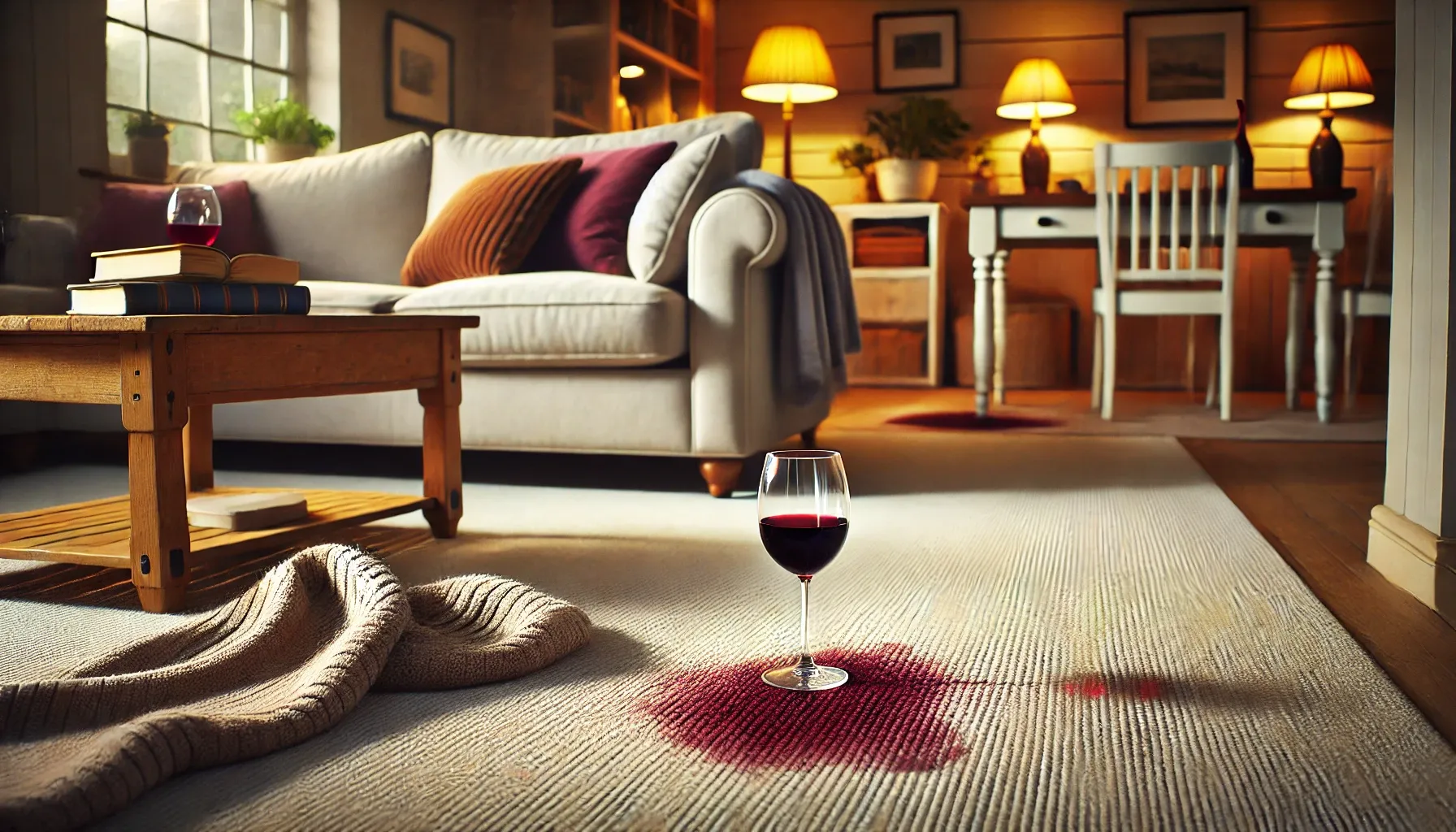
- Red Wine: Red wine stains can seem like the end of your dress but fast action can help to solve the problem. Blot the spill with a clean cloth as soon as possible, removing as much of the liquid as you can. Sprinkle salt over the stain to absorb the moisture. Then, gently pour club soda over the stain. Blot it again, then apply a mixture of dish soap and white vinegar on the stain and leave it for a few minutes before rinsing with cold water.
- Coffee: For fresh coffee stains, blot with a clean cloth to soak up the liquids. Then treat with cold water by blotting repeatedly. For set-in stains, try a combo of dish soap and white vinegar. Soak the stain, let it set, and rinse… and repeat the process as many times as needed. Remember: if the water is hot, avoid it! That tends to set the stain.
- Grass: On clothing, grass stains can be very difficult. Rubbing alcohol can sometimes loosen them. Apply directly, let stand for a few minutes, then rinse with cold water. Apply a laundry detergent and work into the stain without rubbing. Launder as usual, checking the stain before drying, as heat can cause the stain to set.
Greasy and Oily Stains
- Oil and Grease: These can be tricky, but if you do it right, you’ll be fine. Blot up as much of the oil or grease as possible with a paper towel, then cover it with cornstarch or talcum powder to absorb the grease, let it sit for 15 minutes, then brush off the powder. Squirt dish soap directly on the stain, scrub it, and rinse it with warm water, then wash as usual.
- Ketchup and Mustard: For ketchup stains, start by scraping off as much of the sauce as possible. Dip a cloth in cold water and dab at it, then apply dish soap. Leave it for a few minutes before rinsing. If you’re wiping up a mustard spill, you’ll probably have to face down turmeric, a common ingredient in the yellow condiment. After removing as much of the mustard as possible, apply a mix of dish soap and hydrogen peroxide. Let it sit, then rinse well.
Post-Construction Stains
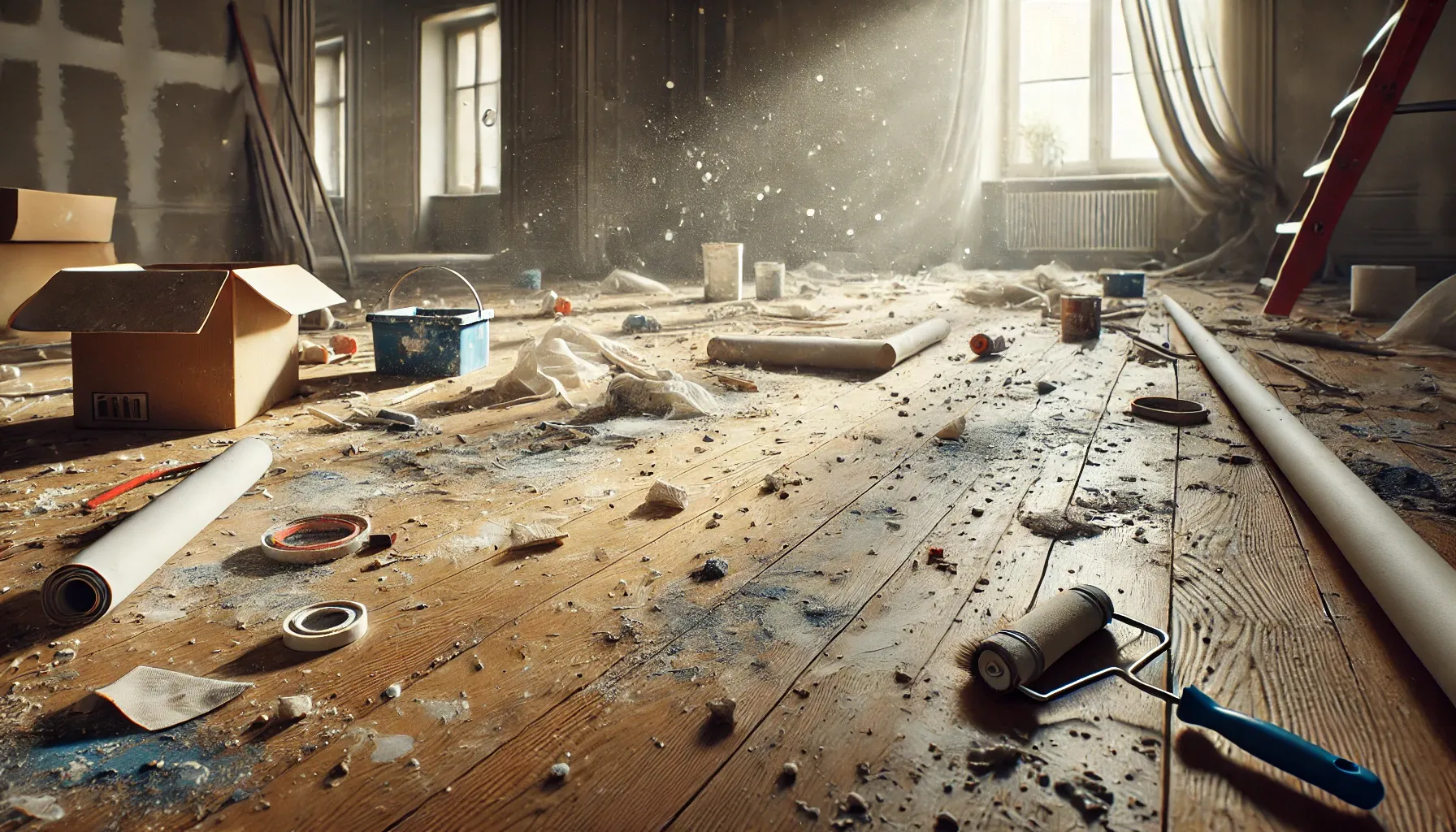
- Concrete: Driveways, patios and garage floors are exposed to all kinds of tough stains, such as oil spills, paint splatters and other unidentifiable gunk. Deal with oil with this multistep approach: Sprinkle cat litter or sawdust over the stain – this will absorb the oil. Leave it for several hours then sweep the litter or sawdust away. Apply a degreaser to the stained area and scrub with a stiff-bristled brush. Rinse with water and repeat if needed.
- Paint splatters: Use a plastic putty knife or scraper to lift the paint. Metal tools will scratch the concrete. If the surface has residue left, apply a concrete-safe paint remover, following the manufacturer’s directions, and rinse thoroughly.
- Tile and Grout: Spills, soap scum, and mildew are common problems for tiles in kitchens and bathrooms. For most everyday stains, mix two parts white vinegar with two parts water in a spray bottle. Spray the mixture on the tiles, and leave it on for a minute or two before scrubbing it away with a soft brush or sponge. For grout lines, which can often trap stains and mildew, make a paste of three parts baking soda to one part water. Rub the paste into the grout lines with a toothbrush or grout brush, then rinse it away with water. If you have tough mildew stains you can use a bleach solution, but always test one area first to make sure the bleach does not discolour the grout.
- Wood Surfaces: Wood floors and wood furniture are susceptible to moisture rings and oil stains, as well as heat marks and burns. For water stains, which will often appear as white rings or spots, use a soft cloth and apply a small amount of non-gel toothpaste or mix one tablespoon of baking soda with one tablespoon of water to create a paste. Rub the cleaning paste in the direction of the wood grain until the mark is removed, then wipe with a clean, damp cloth, and dry immediately.
If you are faced with an oil-based stain, use a small amount of dish soap mixed with water to rub the stain with a cloth. For deep or aged stains, a commercial wood cleaner or refinisher may be required. Make sure to test cleaning solutions in a small, hidden area first.
- Stainless Steel and Metal: Metal surfaces such as stainless steel appliances and fixtures, can be stained from water spots, grease and fingerprints. To clean stainless steel, mix water and a mild dish soap, then apply with a clean soft cloth. Wipe in the same direction as the metal’s grain to prevent streaks. For tougher stains and greasy spots, mix baking soda and water to create a paste and rub with a soft cloth, then rinse. Dry thoroughly, using a clean towel to prevent water spots.
Do not use abrasive cleaners or scrubbers as these can scratch the metal surface.
- Painted Walls: Painted walls can get stained with fingerprints, crayon marks, and general grime. If you have washable paint, mix warm water with a couple drops of mild dish soap; dip a soft cloth or sponge in the solution and gently wipe the stain from the bottom of the area upwards. This prevents streaking. If you have a crayon stain, wet the area with a cloth and put a bit of baking soda on the cloth and gently rub the stain, being careful not to scrub too much as it can remove paint or alter the finish. For flat or matte paint, avoid too much moisture and scrubbing since these are more easily damaged. Spot cleaning is often the best option.
- Marble and Other Natural Stone: The ultimate in beauty and durability but porous and sensitive to stains and acidic substances, marble and other natural-stone surfaces needs special attention. If the natural stone is a countertop, never use acidic cleaners such as vinegar or lemon juice because the acid can etch the stone. If the stone surface is porcelain or ceramic tile, then use any soft-surface cleaner. If the natural stone is a countertop or floor, spills of wine, coffee, or fruit juices will stain the countertop, but other dyes like inks, cosmetics, or oil-based stains can penetrate the surface as well. The rule for natural-stone countertops with stains is always to use a pH-neutral stone-countertop cleaner (avoid acidic cleaners and bleach). Sometimes, you can remove enough of the stain to erase it using a basic solution of mild dish soap and water, applied with a soft cloth and gently go over the stain area a few times before wiping away the spot. A more difficult stain might require a poultice of baking soda and water, which you apply over the stain and cover with plastic wrap for 24 hours. The baking soda breaks down the stain and can be scooped up. Rinse, dry well. Sometimes, you might need to hire a specialist in stone restoration if the stains are quite bad.
Professional Help and Specialized Services
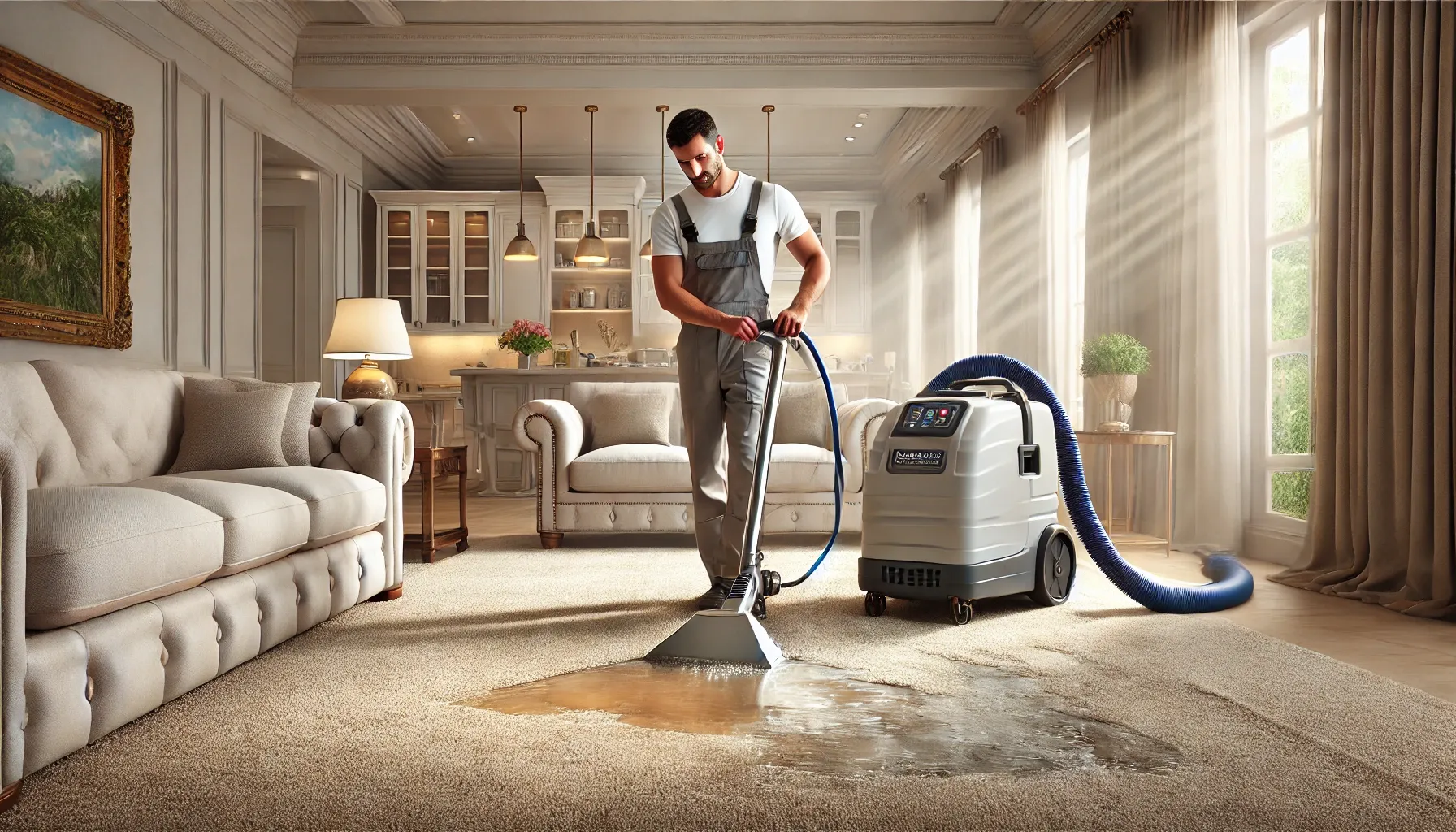
Professional Carpet Cleaning: For stubborn stains, you should consider professional carpet cleaning at MrsClean local company. This is due to the fact that DIY methods can only perform short-lived stain removal while the chemical stain remains. Professional carpet cleaning allows you to save your pricey investment by using specialised equipment. It also has the ability to remove all the allergens and dust mites from your carpet, as well as any residual stains.
Conclusion
Dealing with stub at times, but with basic knowledge and the right tools, most common household stains can be managed and removed. Whether it is an item stained by an accident involving a child or a pet, or something from your regular activities such as working out or cooking, each stain requires a different treatment to handle it without damaging the surface. The techniques outlined in this article will help you take on a wide range of stains, keeping your home fresh, clean and welcoming.
Nevertheless, knowing when a stain is unfit for DIY will come in handy. Often, blood, wine or coffee stains won’t go beyond a DIY treatment, but what about stains caused by deep-set substances? What if your stain involves oil or paint in a porous surface such as a hard wood floor? In that case, the stain may need specialised equipment and models of professional-grade cleaning solutions. In this case, a hired professional service may save you valuable time, and avoid costly damage to your home surfaces. A professional cleaning service will have the tools and expertise to treat hard-to-remove stains, even on fragile materials or surfaces, with their resources, trained personnel and experience. You can find cleaners who can help you at MrsClean.
Furthermore, regular maintenance by disinfecting or shining, and by preventing stains or marks from setting permanently, can help as well. Finally, many protectants are common practices in avoiding damage. For instance, using coasters on wooden surfaces, cleaning up spills right away, or protecting stone surfaces such as granite with sealants can help them to remain beautiful and endure.
Everybody understands the difficulty of making your home spotless, especially if you are a busy person. It’s why MrsClean advises professional cleaning services by expert cleaners. Our services include general maintenance, carpet and upholstery cleaning, post-construction cleaning and etc. We know that you have other matters of business than deal with cleaning issues. This is why we are here to take care of that for you. Our professional cleaners can tackle any challenge, and turn your home into a safe place for you and your family.
Additionally, we would like to clarify that while some stains can be solved with the help of domestic remedies, there are still some task that only professional cleaners can successfully address and keep clean for a long period of time. As a result, if there as any sign of discolouration or a stiffened piece of furniture, MrsClean will be glad to assist you in creating an unspoiled atmosphere in your home. Our focus on quality and customer satisfaction is what you need to know that you can trust in our services. Do not hesitate to contact us for more information about the services that we offer.